
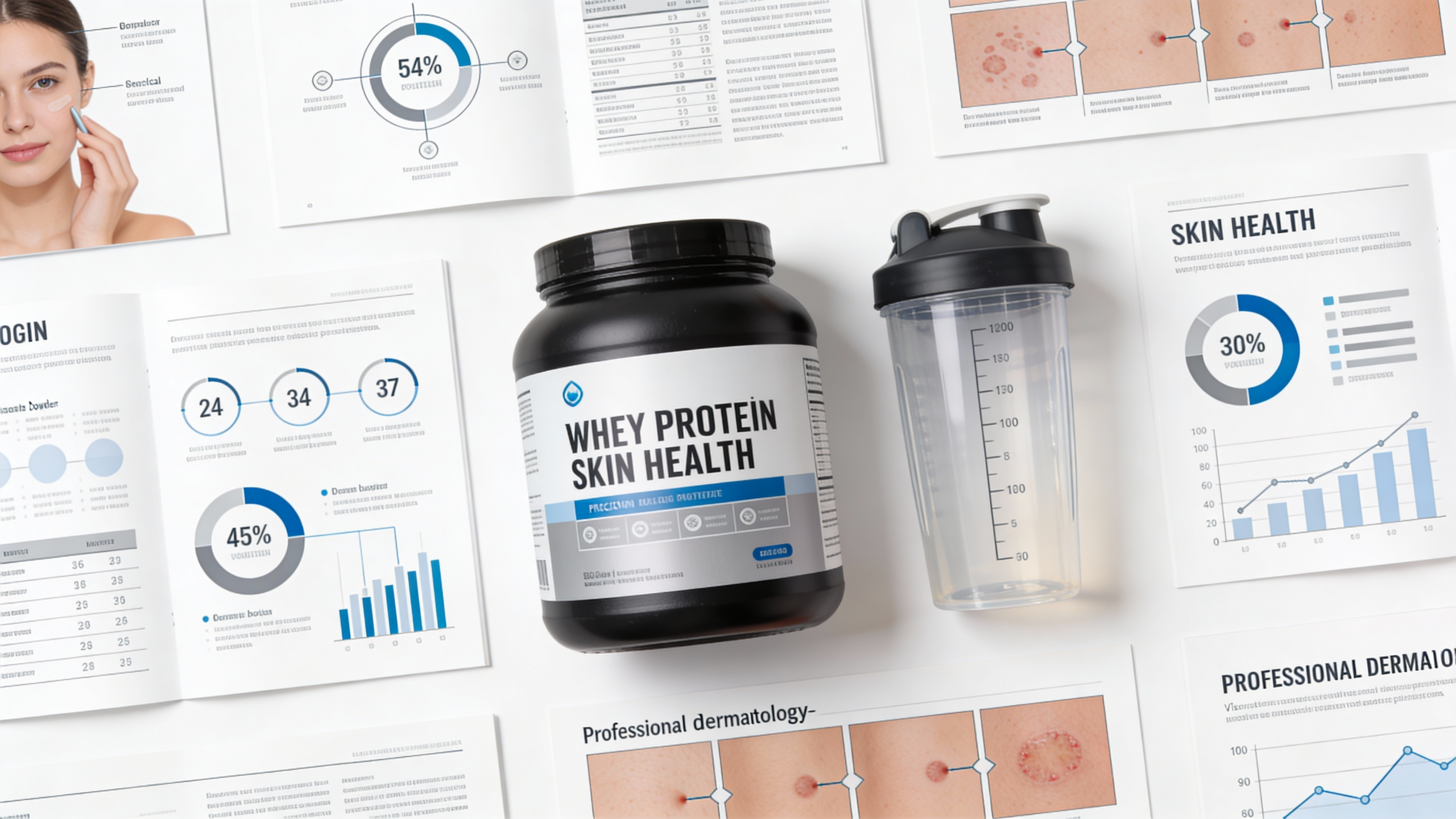
“This post is not written by a marketing agency employee, but directly by the Medical Director of Lucenne Clinic, sharing genuine concerns from the consultation room.”
Protein Shakes and Skin Health: What a Dermatologist Discovered After Researching the Truth
In recent years, protein shakes have become a phenomenon in the health and fitness market. What used to be a tasteless powder consumed only by bodybuilders has evolved into a mainstream wellness product available in countless flavors at every convenience store. The accessibility and variety have exploded with numerous brands entering the market. Whether for weight loss, achieving fitness goals, or simply maintaining health, protein shakes have become a daily staple for many.
As a physician, I’ve often considered whether to replace dinner or breakfast with a protein shake when trying to manage my own weight. But the question that truly intrigued me was: What exactly happens to our skin when we consume these supplements? Are they beneficial or harmful? This curiosity led me to dive deep into the research.
What I discovered in my clinic practice was eye-opening. A significant number of patients came to me with similar concerns: “Doctor, after I started going to the gym, I developed painful, hard acne on my back and chest.” “Whenever I drink protein shakes, my face gets puffy, itchy, and breaks out in tiny bumps.” “I’m managing my diet carefully, but every morning my pillow marks won’t fade, and my skin looks dull and yellowish.”
How can something intended to improve our health end up harming our skin? Today, as the Medical Director of Lucenne Clinic, I’ll share the medical science behind how protein supplements and high-protein diets affect skin health.
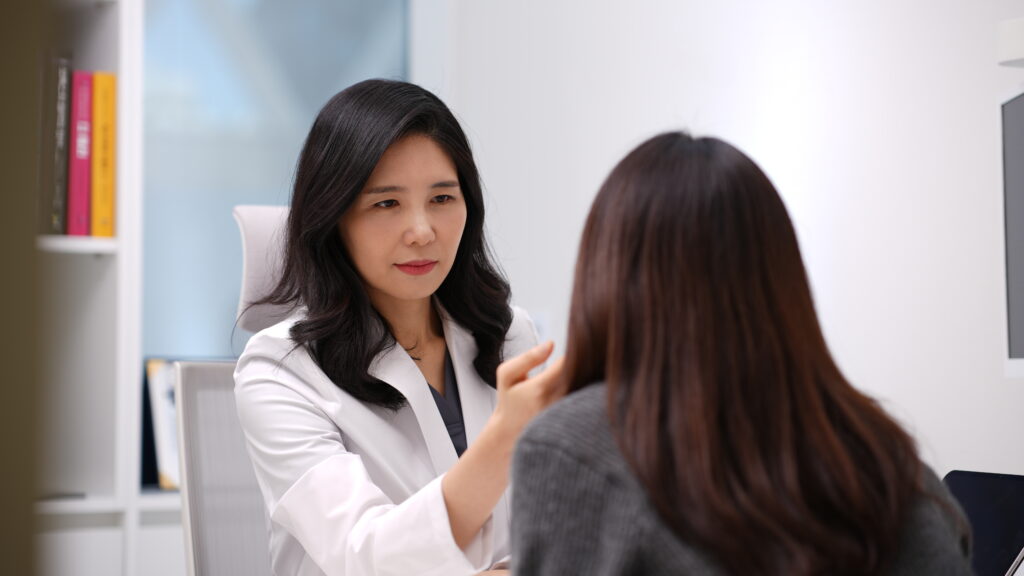
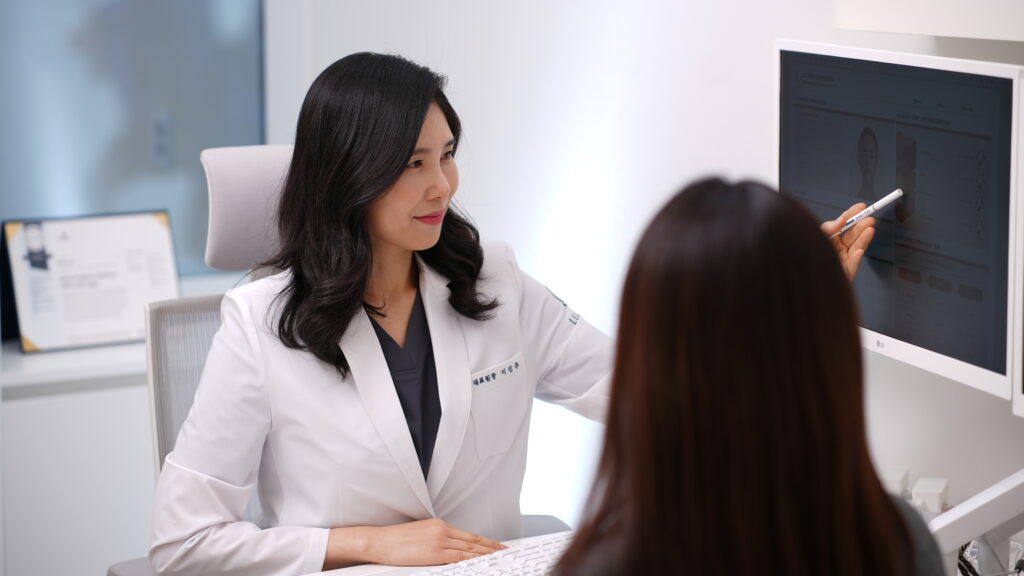
Why Protein Supplements Cause Acne: Overactivation of the Insulin-IGF-1 Axis
According to the latest research published in 2024 (PMC11022506), there is a clear positive correlation between whey protein consumption and acne development. Particularly among young men, those who consistently consumed whey protein supplements for more than two months showed a 25-44% increased risk of developing acne.
Why does this happen?
1. Insulin Spikes and IGF-1 Elevation
Whey protein powerfully stimulates insulin secretion in the body. When insulin levels surge, the liver responds by producing Insulin-Like Growth Factor-1 (IGF-1) in a cascading hormonal response. While IGF-1 supports muscle growth, it simultaneously stimulates the skin’s sebaceous glands.
- Increased Sebum Production: IGF-1 enhances the sensitivity of androgen receptors in sebaceous glands, leading to excessive oil production.
- Pore Clogging: IGF-1 accelerates the proliferation of keratinocytes lining the pores, causing abnormal keratinization—the direct cause of comedones (whiteheads and blackheads).
- Inflammatory Aggravation: Excess sebum becomes a nutrient source for acne bacteria (C. acnes), triggering inflammatory, pustular lesions.
2. Lactose Intolerance and Immune Response
Whey Protein Concentrate (WPC) contains lactose and milk fats. For individuals with lactose intolerance, consuming shakes can lead to digestive discomfort and gut microbiome dysbiosis. When gut health deteriorates, the skin immediately reflects this imbalance—manifesting as facial puffiness, itchiness, and breakouts.
High-Protein Diets and Premature Aging: The AGEs Threat
Beyond protein supplements, high-protein diets themselves can accelerate skin aging—especially when proteins are cooked at high temperatures.
What Are Advanced Glycation End-Products (AGEs)?
AGEs are harmful compounds formed when proteins or fats combine with sugars through a non-enzymatic process called glycation. High-temperature cooking methods like grilling, frying, and baking generate massive amounts of AGEs.
- Collagen Denaturation: AGEs attach to collagen fibers (which make up 70% of the skin’s dermal layer), robbing them of elasticity and making them rigid. This leads to deep wrinkles and sagging skin.
- Increased Oxidative Stress: AGEs bind to cell surface receptors (RAGE), generating large quantities of reactive oxygen species (ROS). This stimulates melanocytes, worsening hyperpigmentation, age spots, and melasma.
- Skin Yellowing: Glycated collagen takes on a yellowish hue, making the skin appear dull and lifeless.
Research shows that grilled steak contains up to 10 times more AGEs than boiled meat, and this can double oxidative stress levels in the body.
So What Should We Do? Lucenne’s Solutions
A. Switch Your Protein Type
| Type | Whey Protein Concentrate (WPC) | Whey Protein Isolate (WPI) | Plant-Based Protein (Pea/Soy) |
|---|---|---|---|
| Skin Reactivity | Very High (Acne Risk ↑) | Moderate (Reduced by lactose removal) | Very Low (Stable) |
| Medical Mechanism | Explosive insulin & IGF-1 secretion | Relatively lower insulin response | Maintains hormonal balance, contains antioxidants |
| Recommended For | Muscle building without skin concerns | Athletes with lactose intolerance | Acne-prone/sensitive skin individuals |
| Lucenne’s Solution | Extraction + Anti-inflammatory injection | Skin Botox (Sebum suppression) | Rejuran (Barrier strengthening) |
Best Choice: If acne is already a concern, completely eliminate animal-based whey protein and switch to plant-based proteins (pea, hemp seed). Pea protein is low in allergens, easy to digest, and positively impacts skin texture improvement.
B. Use Low-Temperature Cooking Methods
High-temperature cooking promotes AGE formation. When consuming protein-rich foods:
- Opt for boiling, steaming, or sous-vide methods.
- Supplement with α-lipoic acid and vitamin C—powerful anti-glycation and antioxidant compounds that minimize internal AGE accumulation.
C. Lucenne’s Integrated Solution
At Lucenne Clinic, we don’t just recommend treatments. We pursue integrated solutions that combine lifestyle modifications with medical interventions.
Inside (Internal Detoxification):
- NAC (N-Acetylcysteine) + Glutathione IV Therapy: Cleanses protein metabolism byproducts, supports liver detoxification, and prevents oxidative damage caused by AGEs.
- Cinderella Shot: Purifies complexion and maximizes skin radiance.
Outside (Skin Structure Reconstruction):
- Rejuran (PN): Replenishes damaged DNA fragments, enhancing cellular regeneration capacity.
- Juvelook (PDLLA): Micro-particles continuously stimulate endogenous collagen production in the dermis, restoring natural elasticity.
- Ultrasound-Guided Lifting (Ultherapy, Thermage FLX): For cases where excessive protein intake has affected facial contours, ultrasound diagnostics assess fat layer thickness and fascial condition, delivering precise energy to target layers.
Real FAQs: Questions Patients Ask Most Frequently
Q1. I need protein supplements for muscle growth, but if I get acne, do I have to stop completely?
A. Rather than stopping altogether, the priority is to examine the ‘ingredients’ and ‘processing method.’ Whey Protein Concentrate (WPC) contains lactose and milk fats, making it the most likely culprit for acne. It’s medically advisable to switch to Whey Protein Isolate (WPI), which has lactose removed, or even better, to plant-based proteins (pea, rice, soy), which cause less hormonal stimulation.
Q2. I stopped drinking protein shakes, but my acne won’t go away. Why?
A. The skin cell turnover cycle is approximately 28 days, and it typically takes 2 to 6 weeks for hyperactive sebaceous glands and inflammatory cells to normalize after supplement cessation. Additionally, if long-term high-protein intake has altered your gut microbiome or elevated systemic inflammation, simply stopping shakes may not be enough.
In such cases, Lucenne’s Glutathione + NAC IV Program can detoxify the liver and reduce systemic inflammation, while skin boosters like Rejuran directly repair damaged skin barriers.
Q3. Is it true that high-protein diets accelerate skin aging?
A. Yes, it is. The main culprit is AGEs (Advanced Glycation End-products) formed when proteins are cooked at high temperatures through grilling, frying, or roasting. AGEs impair collagen function, promote its breakdown, and exacerbate UV damage, leading to wrinkles and hyperpigmentation.
To prevent this, use low-temperature cooking methods like boiling and steaming, and ensure adequate intake of anti-glycation/antioxidant nutrients like α-lipoic acid and vitamin C. Lucenne’s anti-aging program monitors internal AGE accumulation from a ‘slow aging’ perspective and provides customized care.
Top 3 Skin-Friendly Alternatives to Protein Shakes
Whey protein-based shakes can rapidly elevate insulin and IGF-1 levels, activating sebum secretion and triggering acne. Here are the top three alternatives that protect skin health while providing protein:
1. Plant-Based Proteins (Pea and Soy)
Unlike whey protein, plant-based proteins don’t cause insulin spikes and carry a lower risk of hormonal imbalance-related breakouts.
- Pea Protein: A hypoallergenic food that’s easily digestible, with a low glycemic index (GI) that effectively suppresses excessive sebum production.
- Soy (Soybeans): Rich in ‘isoflavones,’ which increase skin hydration and reduce wrinkle depth, offering anti-aging benefits. A 2023 study (PMC10574417) found that postmenopausal women who consumed soy isoflavones daily for six months experienced a 7.1% average reduction in wrinkle depth and up to a 68% increase in skin hydration.
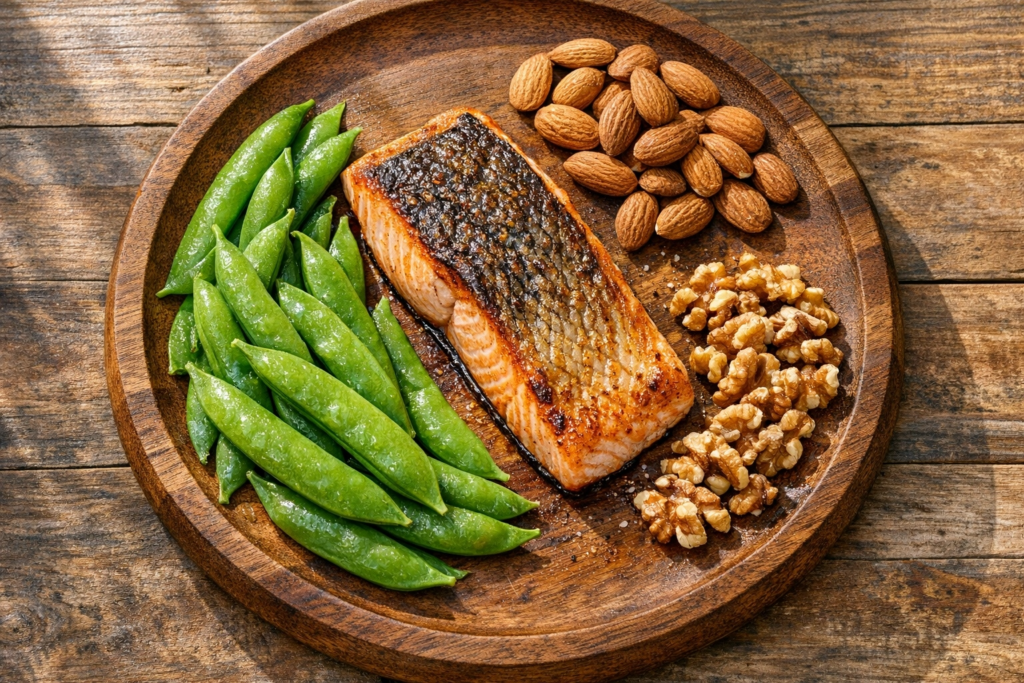
2. Fatty Fish (Salmon, Mackerel)
These provide not only protein but also essential nutrients for strengthening the skin barrier and reducing inflammation.
- Omega-3 Fatty Acids: Powerful anti-inflammatory properties reduce acne lesions, protect against UV-induced skin damage, and form a healthy skin membrane.
- Selenium: Abundant in antioxidant minerals that help prevent aging.
3. Nuts and Seeds (Almonds, Walnuts, Flaxseeds)
These contain amino acids necessary for muscle tissue repair and high-quality fatty acids that smooth skin texture.
- Vitamin E: Abundant in almonds, vitamin E acts as a powerful antioxidant, repairing skin damage and maintaining moisture.
- Dietary Fiber: Stabilizes blood sugar, indirectly preventing excess sebum production triggered by insulin secretion.
Safety Note: Side Effects and Honest Limitations
At Lucenne Clinic, we always provide honest information to our patients.
Initial Adaptation Period
Even when switching to plant-based supplements, minor breakouts similar to a detox reaction may occur during the first 1-2 weeks. This is typically a temporary symptom due to digestive system adjustment.
Downtime
Laser treatment for acne scars or hyperpigmentation caused by supplements may result in 3-5 days of redness. However, with Lucenne’s pain-free, reassuring protocol, recovery occurs without disrupting daily life.
Pain Level
Whey protein-induced acne is often deep ‘nodular’ inflammation, which can be more painful during extraction than regular acne. Lucenne minimizes discomfort through targeted anesthesia and cryo-calming care.
Honest Limitations
Dietary changes and home care alone cannot reverse already-denatured collagen structures in the dermal layer. Deepened wrinkles and enlarged pores require medical interventions like lifting devices (Ultherapy, Thermage) or skin boosters to achieve meaningful improvement.
What Lucenne Clinic Stands For
We don’t simply erase surface symptoms. We provide ‘depth-driven care’ that acknowledges the time and emotional weight our patients have carried before seeking help. Lucenne’s evidence-based medical approach is a genuine journey toward helping your life shine with renewed transparency and authentic radiance.
Lucenne Clinic | Near Sinnonhyeon Station Exit 3 | Gangnam Premium Dermatology Clinic
References:
- Muhaidat J, et al. (2024). The Effect of Whey Protein Supplements on Acne Vulgaris among Male Adolescents and Young Adults. Dermatology Research, PMC11022506.
- Uenishi K, et al. (2023). Soy Protein Containing Isoflavones Improves Facial Signs of Photoaging. PMC10574417.
- Melnik BC. (2009). Role of insulin, insulin-like growth factor-1, hyperglycaemic food and milk consumption in the pathogenesis of acne vulgaris. Experimental Dermatology.